
Professional Media Transfer and Archival Services in Austin
Digital Preservation for Institutional and Historical Collections
Expressions in Video helps organizations preserve and access important video recordings and other legacy media through professional transfer and digitization services in Austin, Texas.
Whether you are managing a museum collection, historical archive, institutional video library, or production company's legacy footage, every project begins with understanding the collection, its condition, and how the resulting files will be used.
We work with clients to discuss project requirements, identify relevant media formats, and determine an appropriate transfer and delivery plan.
Have a collection that needs attention? Contact Expressions in Video to discuss your project.
Call us to discuss your archival project at (512) 469-7675
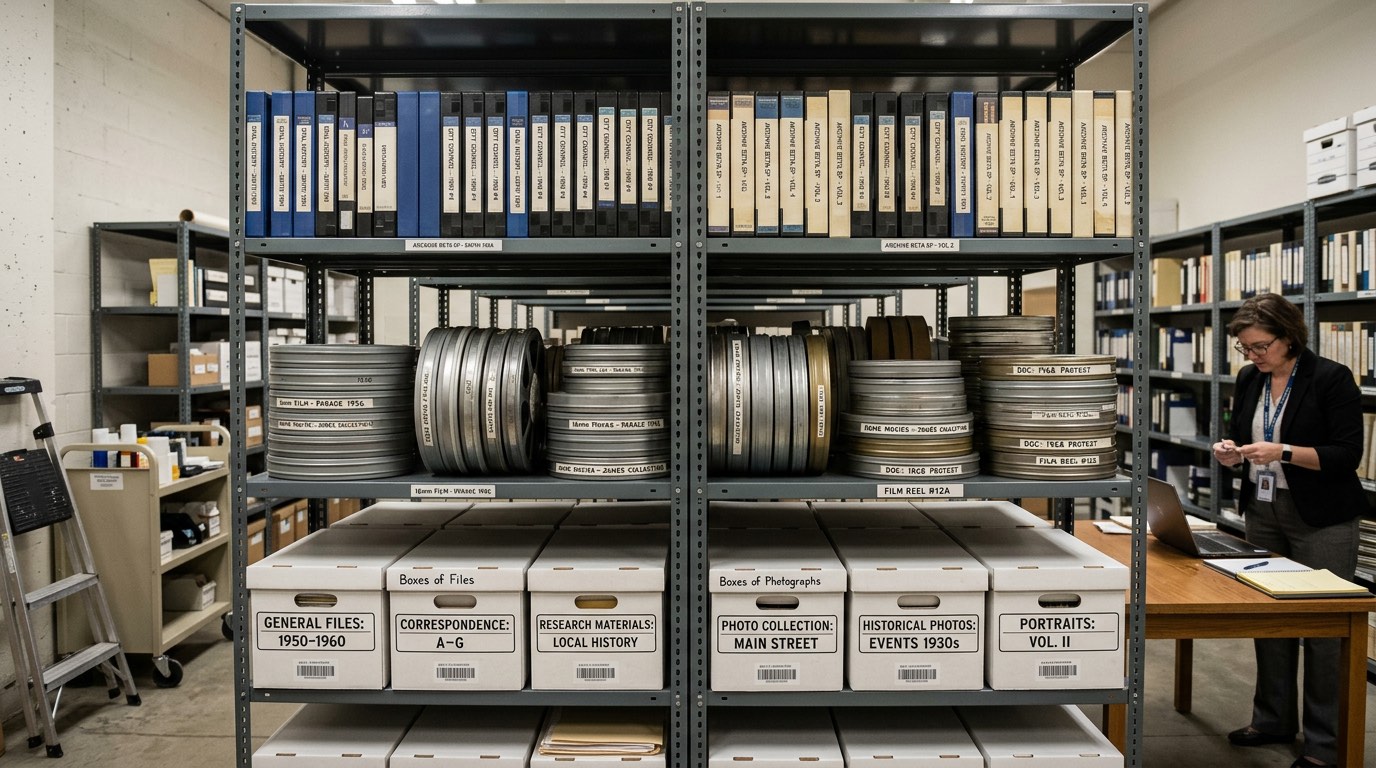
Media Digitization for Organizations and Institutions
We welcome inquiries from organizations that need a thoughtful, organized approach to digitizing legacy media.
-
Museums and historical societies preserving recordings of local history, exhibitions, oral histories, and community events.
-
Libraries and archives managing historical recordings and audiovisual collections.
-
Universities and educational institutions digitizing lectures, research recordings, interviews, and institutional history.
-
Nonprofits and cultural organizations preserving programs, events, documentaries, and organizational records.
-
Public agencies and government organizations reviewing legacy recordings and audiovisual records.
-
Production companies and media organizations recovering, accessing, and organizing older video footage.
-
Corporate archives and records managers managing legacy training videos, presentations, interviews, and company history.
Each collection has different priorities. We encourage organizations to contact us before committing to a transfer plan, particularly when a project involves multiple formats, substantial quantities of media, or specialized delivery requirements.
A Structured Approach to Your Media Collection
1. Project Intake and Consultation
We begin by learning about your collection, its intended use, and your project's goals. This conversation helps establish the types and approximate quantities of media involved, the desired deliverables, and any handling, scheduling, or confidentiality requirements.
2. Inventory and Format Assessment
Before work begins, we discuss the available inventory and the formats represented in your collection. Where appropriate, we can establish a more detailed inventory and identify media that may require additional review before transfer.
Knowing what you have helps establish a realistic scope, identify potential challenges, and plan the work more effectively.
3. Transfer Planning
We work with you to define the intended output and delivery requirements. Depending on the collection and project scope, this may include decisions about file formats, resolution, file naming, organization, access copies, and delivery media.
4. Media Transfer and Digitization
The transfer process depends on the original format, the condition of the media, equipment requirements, and the intended use of the resulting files. We review project requirements before determining which services are appropriate for a particular collection.
5. File Delivery and Handoff
The final handoff is planned around your organization's needs. Depending on the agreed scope, deliverables may include digitized video files, organized folders, agreed file naming conventions, and supporting inventory or metadata documentation.
We discuss delivery expectations in advance so your team can plan for review, access, and future use of the digitized material.
Plan the Right Deliverables for Your Collection
Not every archival project needs the same output. A collection intended for public access may have different requirements from footage being retained for research, production, or long-term institutional use.
Depending on the original media, available capabilities, and agreed project scope, we can discuss the following deliverable categories:
Preservation-Oriented Files
Higher-quality digitized files intended to retain useful image and audio information from the original recording. Appropriate specifications depend on the source format and the project's requirements.
Access and Review Copies
Files intended for convenient viewing, internal review, research, or sharing with authorized users.
Inventory and File Organization
A consistent approach to identifying recordings, organizing deliverables, and associating files with inventory information supplied or approved by the client.
Metadata and Documentation
Discussion of available descriptive information, file naming, inventory fields, and documentation needed for your organization's workflow.
Delivery and Storage Requirements
Planning for delivery by an agreed method, with file organization and storage considerations appropriate to the project's scope.
These requirements should be established during consultation. Specific preservation formats, technical specifications, metadata services, and storage arrangements must be confirmed before they are included in a project proposal.
Professional Handling, Confidentiality, and Project Accountability
Institutional collections may contain unpublished footage, sensitive organizational records, personal interviews, or materials that should not be distributed publicly.
We encourage clients to identify any special handling, access, confidentiality, or delivery requirements during project intake.
Before work begins, we can discuss the practical arrangements needed for the collection, including:
-
Project scope and agreed deliverables.
-
Media intake and collection identification.
-
Handling and tracking expectations.
-
Access restrictions and confidentiality requirements.
-
Delivery method and authorized recipients.
-
Documentation needed at handoff.
Any formal chain-of-custody procedures, contractual confidentiality commitments, security controls, or specialized archival standards should be discussed and confirmed for the specific project.
Experience Serving Austin's Historical and Cultural Community
Expressions in Video's has worked with the Austin History Center, LBJ Library, John Nance Garner Museum, and E. A. Arnim Archives & Museum among others.
We understand that organizations evaluating a media digitization provider need more than a price per tape. They need to understand the proposed workflow, the deliverables, and how the project will fit into their broader preservation and access goals.
Discuss Your Media Archival Project
Every collection is different. The best starting point is a conversation about what you have, what you need to preserve, and how your organization intends to use the resulting files.
Contact Expressions in Video to discuss your institutional media transfer or digitization project in Austin, Texas.
When reaching out, it helps to include:
-
The approximate number of items in your collection.
-
Known media formats, if available.
-
Your project goals and intended use.
-
Any deadlines or special handling requirements.
-
Desired file formats, documentation, or delivery arrangements.
We can use this information to begin evaluating the project scope and determine the appropriate next steps.
Start a Project Consultation
Call us to discuss your archival project at (512) 469-7675
For larger collections or projects with specialized requirements, please contact us to discuss the scope before requesting a standard consumer transfer estimate.